Micro-Stops: The Downtime Nobody Writes Down
A 30-second jam doesn't feel like downtime. It feels like part of the job. Multiply it by ninety occurrences a shift and it's your biggest loss — and it's completely absent from your records.

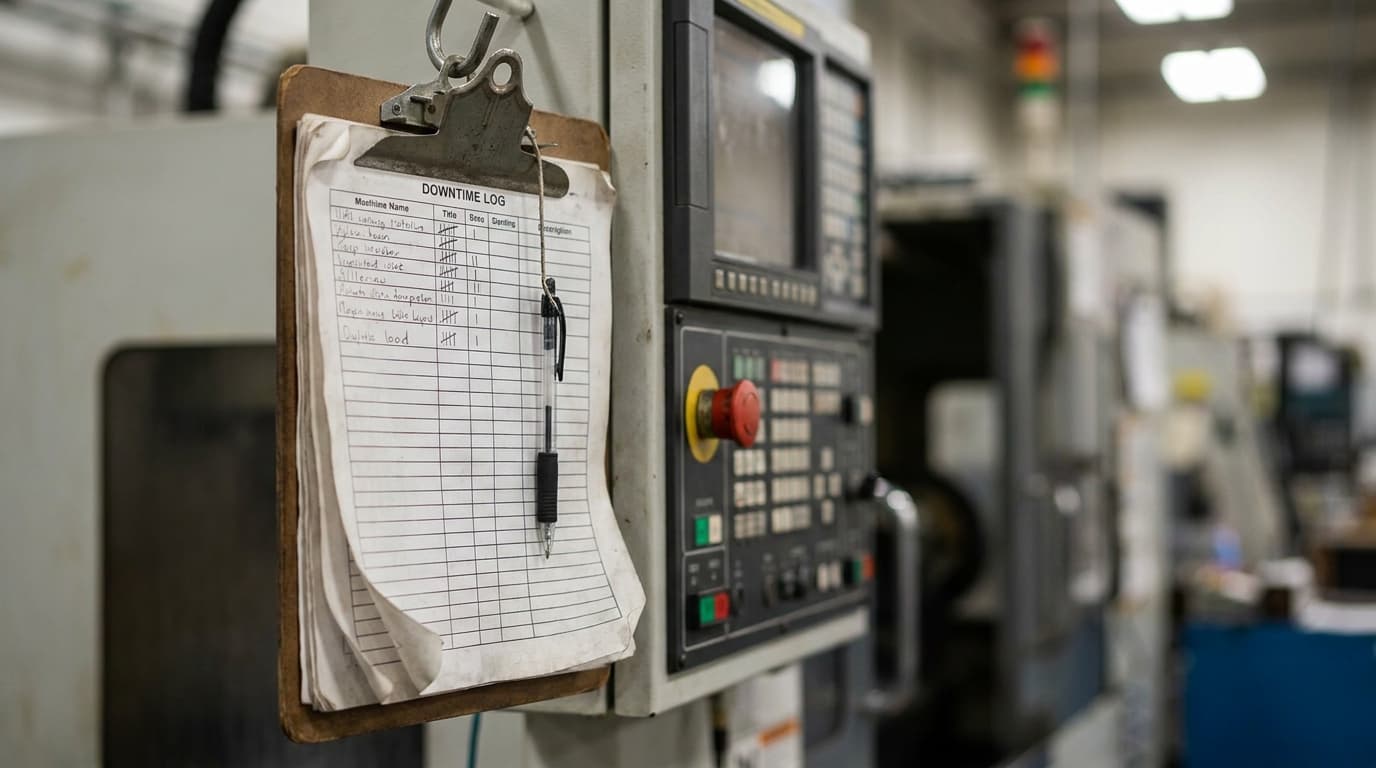
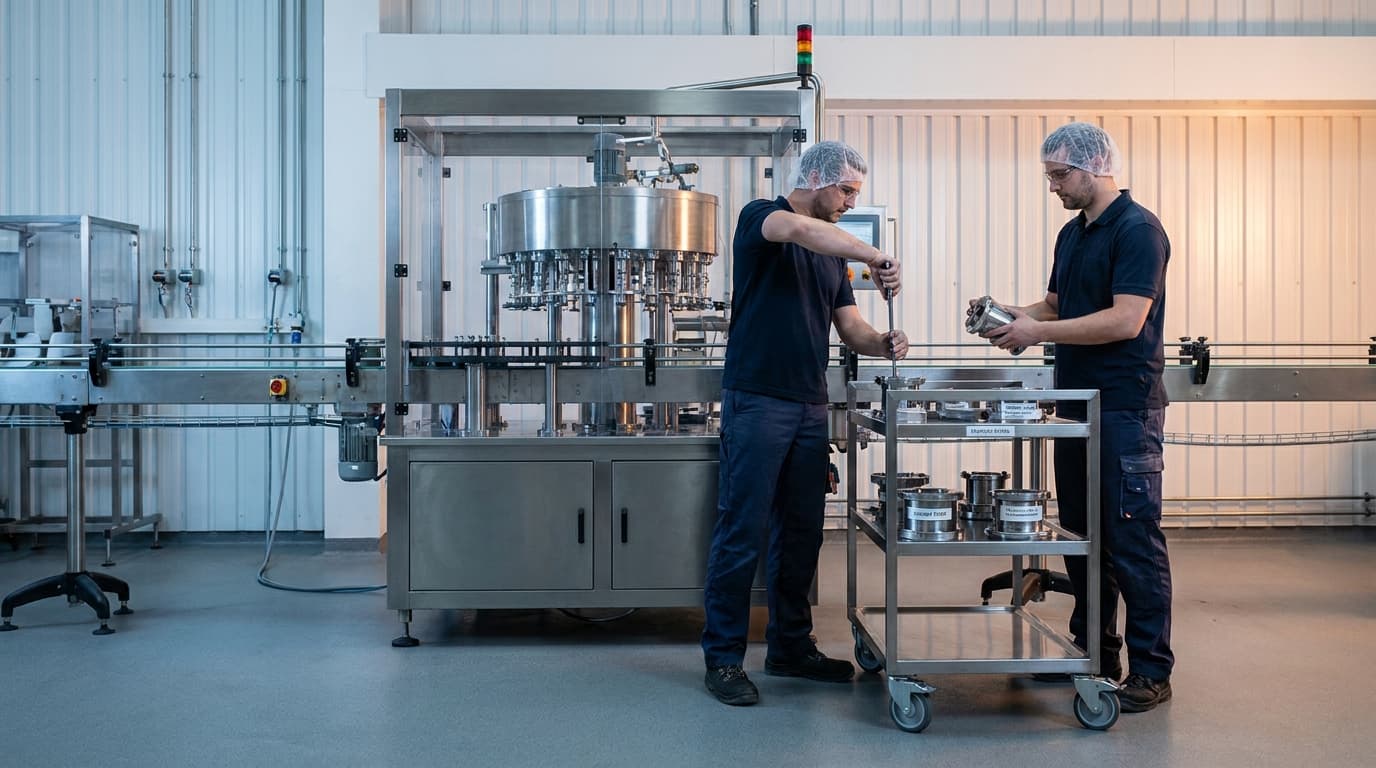
Stand next to any high-speed line for an hour and count how many times an operator clears something: a tipped bottle at the infeed, a carton that didn't fold, a photo-eye that needed a wipe. Not one of those moments will appear in the downtime log. Each was too short, too routine, too obviously not-a-breakdown to be worth a pen.
Now do the arithmetic that never gets done. Forty seconds, ninety times a shift, is an hour. On plenty of lines we've watched, the honest count is higher — and that invisible hour is bigger than every logged breakdown in the same week combined.
Why micro-stops escape every logging system
It's not laziness. The economics of writing it down are genuinely upside-down: the stop takes thirty seconds to clear and would take longer than that to record. No operator will make that trade ninety times a shift, and no supervisor should ask them to.
There's a psychological layer too. A breakdown happens *to* the operator; a micro-stop is handled *by* the operator. Clearing jams feels like doing the job, not like losing production. Ask an operator how the shift went and they'll say "fine, no real problems" — entirely sincerely — after physically touching the line a hundred times. The stops are so absorbed into the rhythm of the work that they've stopped registering as stops.
The result is a signature you can spot in any OEE report: strong Availability, weak Performance, and nobody able to explain the gap. The line "just runs slow." It doesn't. It runs at full speed between interruptions nobody counts.
Finding them without instrumenting everything
The sensor answer is real — a counter comparing actual cycles against expected cycles will surface micro-stops precisely, and on a fast line it's eventually worth having. But you don't need to wait for that project, and you shouldn't, because the manual method takes one afternoon.
It's the oldest tool in industrial engineering: go stand there. Pick the line's worst hour by Performance data, bring a tally sheet with five or six columns — infeed jam, feeder empty, sensor false trip, product fallen, other — and mark every intervention for sixty minutes. That's it.
Two things reliably happen. First, the count shocks people; sixty to a hundred marks in an hour is normal on a struggling line. Second, the distribution is savagely concentrated. It's never eight different problems. It's one or two — a worn infeed guide, one misaligned photo-eye, one feeder that starves on the light bottles — accounting for two-thirds of the tally marks.
An hour of tally marks beats a month of debate about why Performance is low.
Fixing them
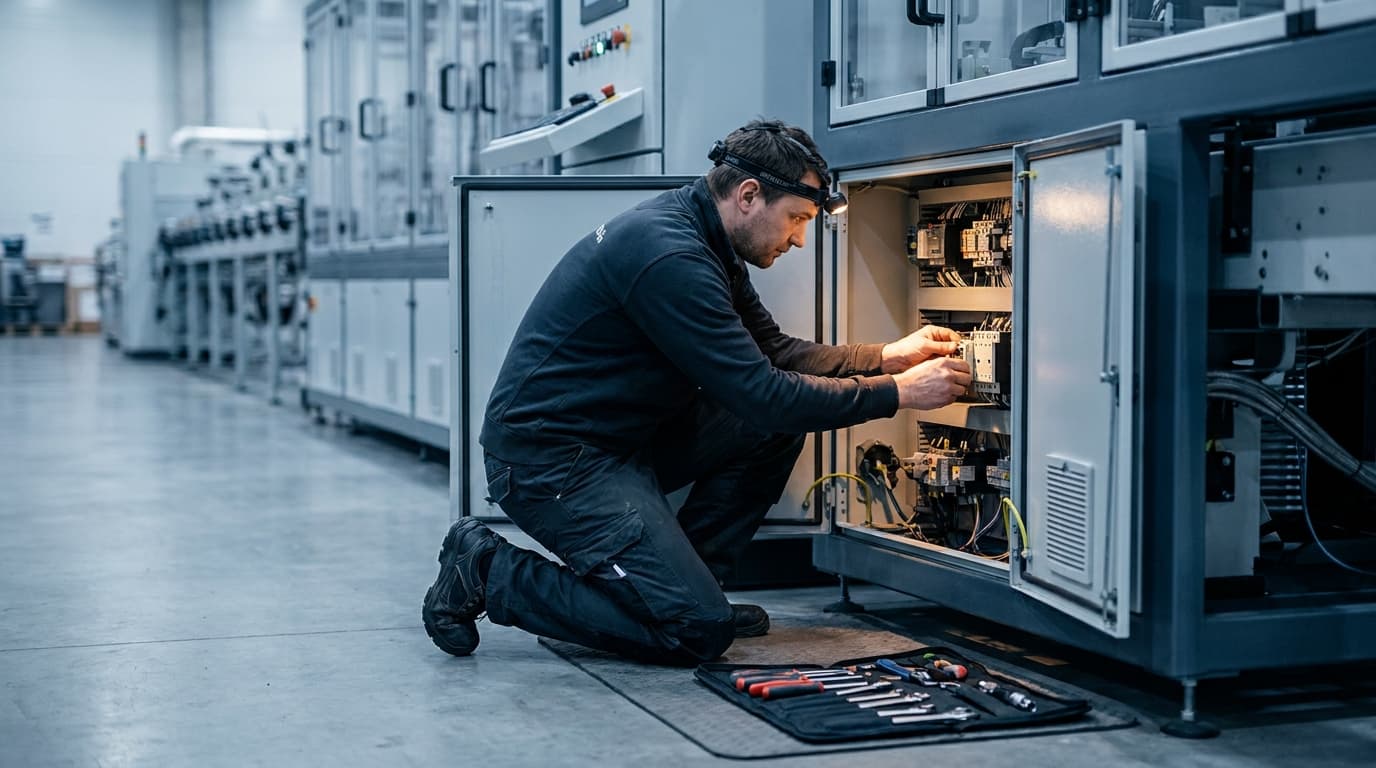
Here's the good news that makes micro-stops the best improvement target on most lines: the fixes are usually small. These aren't gearbox rebuilds. The causes live in the territory of guides a few millimeters off, sensors mounted where they catch glare, star wheels worn past their change point, a chute angle that was never quite right for the new bottle.
- Fix causes, not symptoms. The operator clearing the jam *is* the symptom. The question is why the same jam happens at the same spot forty times a day — and "because that guide has been bent since March" is a fifteen-minute repair that recovers an hour a shift.
- Use frequency, not duration, to prioritize. A stop that costs 30 seconds but fires fifty times a day outranks a weekly ten-minute fault. Duration-sorted downtime reports systematically bury the biggest micro-stop offenders at the bottom of the page.
- Re-tally after the fix. Same hour, same sheet, a week later. If the marks dropped from ninety to thirty, you've recovered real capacity — and you have the before-and-after to prove it to anyone who thinks standing by a line with a clipboard isn't engineering.
The mindset shift
The durable change isn't any single repair. It's the crew learning to see a cleared jam as data instead of as weather. When an operator starts saying "that infeed caught six bottles this morning, someone should look at the guide" instead of silently clearing the seventh — that's the moment the invisible hour starts coming back.
The line was never slow. It was interrupted. Count the interruptions and they get a lot harder to ignore.