SMED for Normal Plants: Cutting Changeover Time Without a Consultant
SMED has a reputation as a methodology for plants with lean departments. Strip away the vocabulary and it's one powerful question: what are we doing while the machine is stopped that we could do while it's running?
SMED — single-minute exchange of die — comes with intimidating packaging: Japanese manufacturing lineage, formal stages, certification courses. Underneath the packaging is one question so simple it feels like a trick:
What are we currently doing while the machine is stopped that we could do while it's still running?
That question, asked stubbornly about one changeover, is most of the method. Plants routinely cut changeover time 30 to 50% with it, spending almost nothing. Here's the working version.
First, film one changeover
Not a form, not a workshop — a phone on a tripod recording one real changeover, start to finish. Define the boundaries honestly: the clock starts at the last good unit of product A and stops at the first good unit of product B *at rated speed*. Not at machine restart — the limping, adjusting, first-rejects phase is part of the changeover, and on many lines it's the longest part.
Then watch the recording with the crew who did it and log what's actually happening minute by minute. Every plant that does this discovers the same embarrassing categories:
- Walking and fetching. The tools are in the shop. The change parts are on a shelf across the hall. The forklift is busy. On unexamined changeovers, searching and transporting regularly eats a quarter of the clock.
- Waiting. For the quality tech to approve, for the supervisor with the settings sheet, for a second pair of hands at the one two-person step.
- Deciding. Which settings? What was the fill temperature last time we ran this? The knowledge lives in one veteran's head, and if it's not their shift, the changeover includes twenty minutes of experimentation.
Almost none of this is machine work. That's the finding that makes everything else possible.
Internal vs. external — the only jargon worth keeping
SMED's core distinction: internal work can only happen with the machine stopped (swapping the change parts, the actual mold or format change); external work could happen while the machine is still running product A (fetching, staging, pre-heating, paperwork, checking the settings sheet).
The first and biggest win is purely organizational: move every external task outside the stop. Nothing about the changeover method changes — only *when* the preparation happens. In practice this looks like:
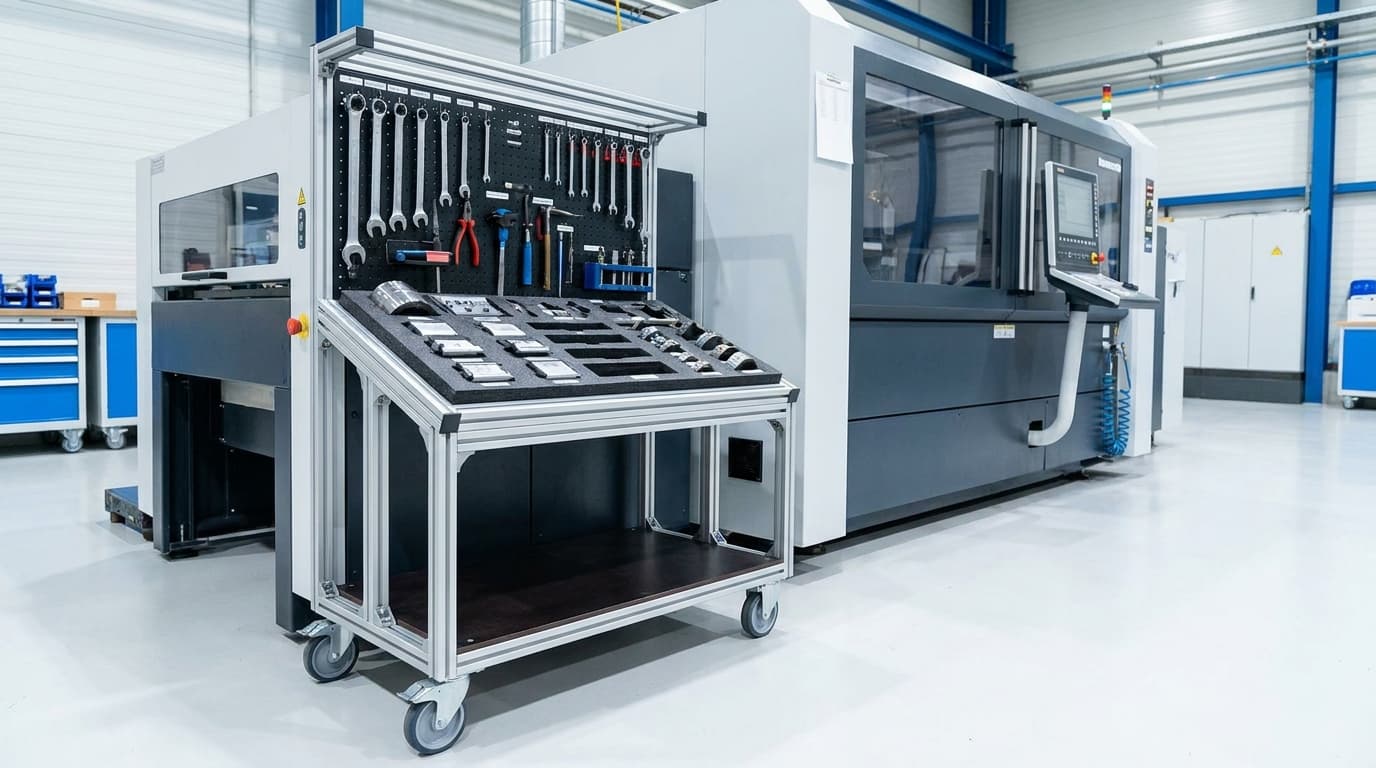
- A changeover cart, staged an hour before, holding every tool and change part the job needs — shadow-boarded so a missing item is visible before the line stops, not after.
- A settings sheet per product: temperatures, guide positions, speeds, torque values, written down once by the veteran and pinned to the job instead of to their memory.
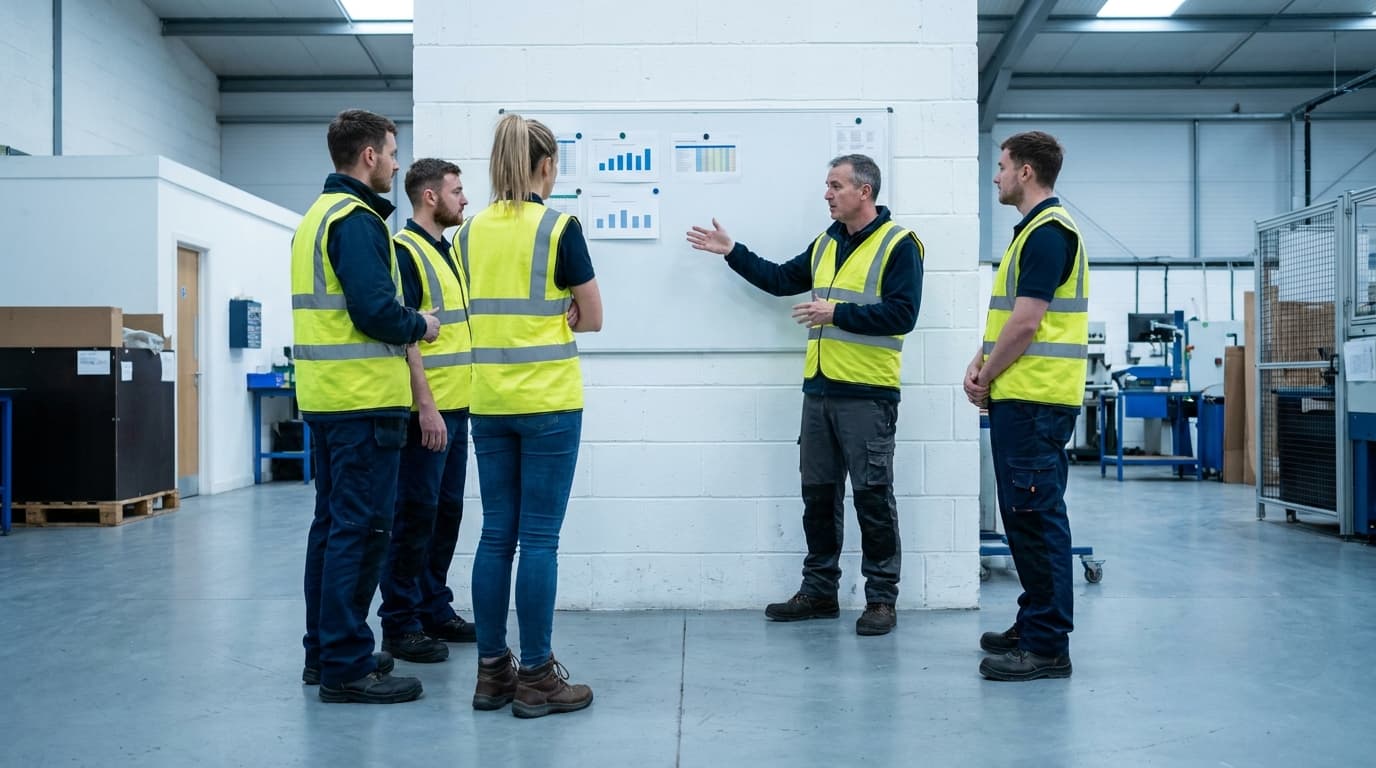
- A five-minute pre-changeover huddle: who does what, in what order, so the two-person steps have two people standing there when the moment comes.
None of this requires engineering approval or a capital request, and it's typically worth a third of the changeover on its own.
Then shorten the internal work
Only after the external work is out do you attack what's left — and even here, the early wins are more organizational than mechanical. Two people working in parallel on opposite ends of the machine instead of one person walking around it. Steps resequenced so the slow-to-stabilize item (the heater, usually) starts first. Adjustment eliminated in favor of position: replace "loosen, slide, eyeball, tighten, test" with marked settings, pins, and stops, so parts go to a *position* rather than to a judgment call.
The exotic end of SMED — quick-release clamps, duplicate tooling, die carts — is real but usually round three. Most plants are still leaving half the easy time on the table when they start pricing hardware.
Making it stick
The failure mode of changeover projects isn't the first result — it's month four, when the cart has gaps, the settings sheets are stale for the new product, and times have crept halfway back. Two habits prevent the backslide.
Standardize the winning sequence into a short checklist — the actual step order that worked, owned by the crew, updated when they find something better. And keep timing every changeover, permanently. Changeover duration per event is one of the highest-value numbers your downtime tracking can produce, because drift announces itself in the data months before anyone would notice it by feel. A changeover that was 22 minutes in March and is 31 in July is telling you which habit slipped; you just have to be measuring.
The machine was never the reason changeovers took an hour. The hour was walking, waiting, and remembering — and all three are fixable with a camera, a cart, and a stopwatch.